Gender Identity Is More Diverse Than Many People Realize
For a long time, society viewed gender through a very limited lens, often assuming that everyone fit neatly into the categories of male or female. However, growing awareness and open conversations have helped many people better understand that gender identity is far more diverse and personal. Terms such as transgender, non-binary, and gender non-conforming are increasingly part of social, cultural, and political discussions around the world. While these identities are sometimes misunderstood, they represent real experiences lived by millions of people. Learning about these identities is important because it promotes empathy, respect, and a more informed understanding of human diversity
Understanding the Difference Between Transgender, Non-Binary, and Gender Non-Conforming
A transgender person is someone whose gender identity differs from the sex they were assigned at birth. For example, a person assigned male at birth may identify and live as a woman, while someone assigned female at birth may identify and live as a man. Non-binary individuals, on the other hand, do not identify strictly as male or female. Some may identify as both genders, neither gender, or somewhere along a broader gender spectrum. Gender non-conforming people may identify as male or female but express themselves in ways that do not align with traditional societal expectations surrounding masculinity or femininity.
Although these terms are related, they are not interchangeable. Gender identity and gender expression can vary greatly from one person to another. Some individuals may openly embrace labels that describe their experiences, while others may prefer not to use labels at all. Respecting how people identify themselves plays an important role in creating inclusive and supportive communitie
Why Visibility, Respect, and Inclusion Matter
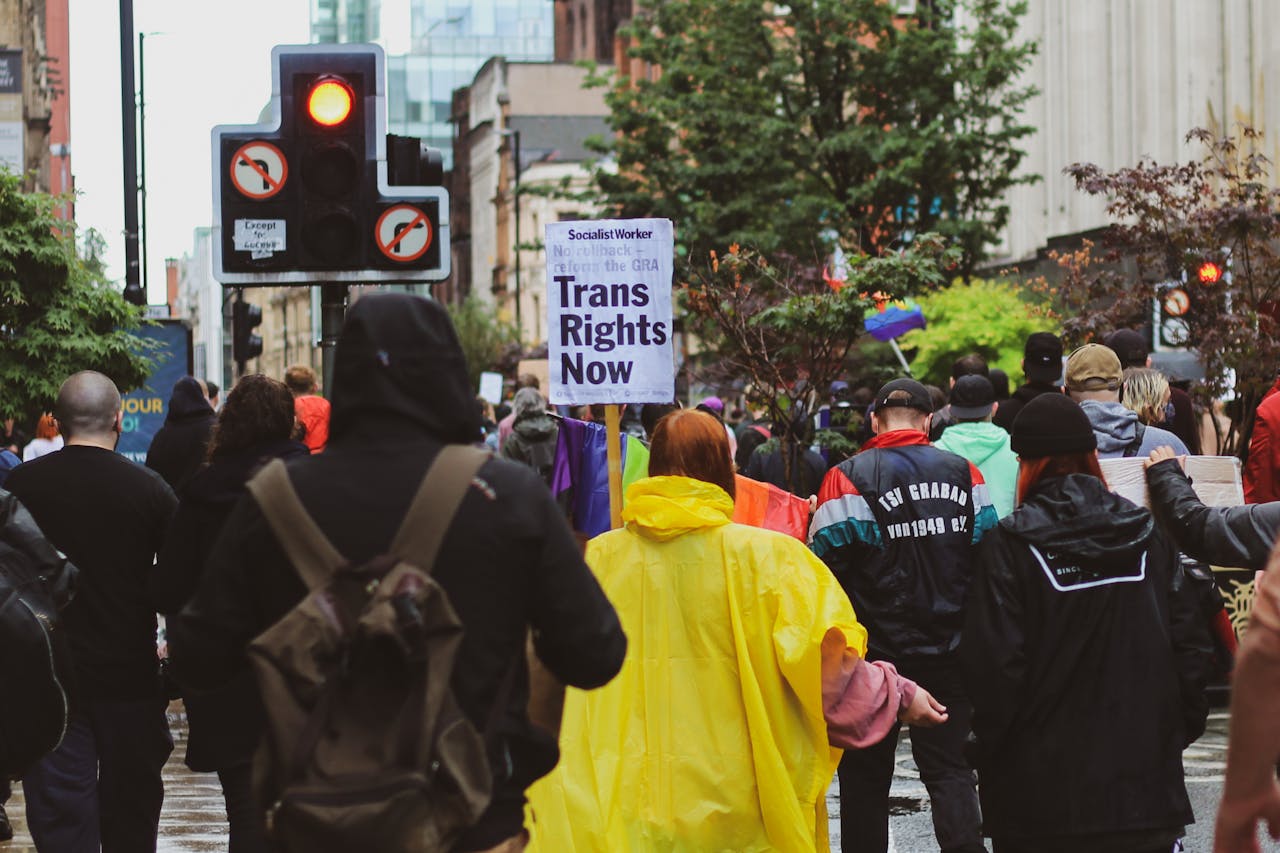
In recent years, transgender, non-binary, and gender non-conforming individuals have gained greater visibility in media, education, workplaces, and public life. This visibility has helped many people feel seen and understood, especially younger generations who may have struggled with identity in silence. However, increased visibility has also brought challenges, including discrimination, harassment, and political debates surrounding rights and healthcare.
Supporters of inclusion argue that every individual deserves safety, dignity, and equal opportunities regardless of gender identity or expression. Simple acts such as using someone’s preferred name and pronouns can contribute to a more respectful environment. While opinions and beliefs on gender identity may differ across cultures and communities, approaching these conversations with empathy and understanding can help reduce stigma and promote healthier dialogue