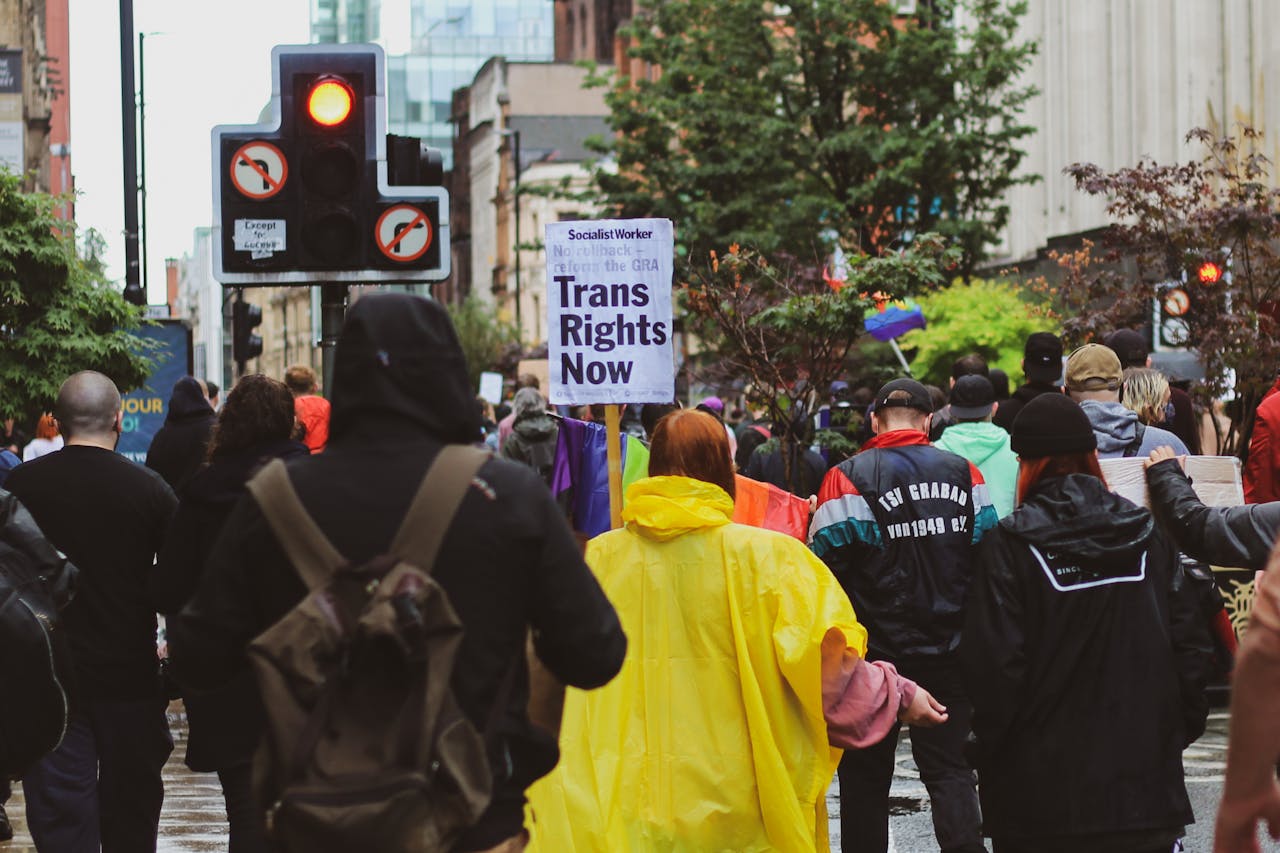
Why this conversation matters more than ever
Every person wants the freedom to make decisions about their own life, health, and future. That desire for independence is at the center of the phrase “My body, my choice.” Over the years, these words have become a powerful statement about bodily autonomy, personal dignity, and the right to make choices without outside control. The phrase appears in discussions about healthcare, reproductive rights, consent, and gender identity because all of these issues involve deeply personal decisions. As societies continue to debate the limits of personal freedom, the conversation around bodily autonomy has become increasingly important. Understanding what this principle means and why it matters helps people engage more thoughtfully in these ongoing discussions.
What Does “My Body, My Choice” Really Mean?
At its core, “My body, my choice” is about bodily autonomy — the belief that individuals should have authority over decisions involving their own bodies. This principle supports the idea that people deserve the right to make informed choices about healthcare, identity, and personal well-being without coercion or discrimination.
The phrase is commonly associated with reproductive rights, but its meaning extends much further. It is also connected to medical consent, privacy rights, and personal identity. Supporters believe that individuals are best positioned to understand their own circumstances, needs, and values. Because these decisions directly affect someone’s physical and emotional well-being, many argue that control should remain with the individual rather than outside institution
Why Bodily Autonomy Is Deeply Personal
Bodily autonomy is not just a political or legal issue; it is also deeply human. Personal choices about health, identity, and physical boundaries can shape a person’s entire life. When individuals feel they have control over their own bodies, it often contributes to a greater sense of dignity, confidence, and freedom.
For many marginalized groups, the discussion also carries historical significance. Throughout history, certain communities have experienced restrictions over personal choices involving their bodies and identities. Because of this, bodily autonomy has become closely linked to broader movements for equality and human rights. The phrase “My body, my choice” therefore represents not only freedom of choice but also the desire for respect and recognition
The Ongoing Debate Around Personal Freedom
Despite its widespread support, the phrase remains controversial in some discussions. Critics argue that individual freedom can sometimes conflict with ethical concerns, public policy, or social responsibilities. These debates often become complex because different people define freedom, responsibility, and morality in different ways.
As a result, conversations surrounding bodily autonomy can be emotionally intense. Social media, politics, and activism have further amplified these disagreements, making the issue highly visible across the world. While opinions may differ, respectful dialogue remains essential for meaningful discussion. Listening to different perspectives can help create a more informed and balanced understanding of the issue
Why Respect and Understanding Are Essential
The phrase “My body, my choice” continues to influence conversations about rights, freedom, and personal dignity. For many people, it symbolizes the importance of having control over decisions that directly affect their lives. Others continue to debate where the boundaries of personal autonomy should exist within society. Regardless of viewpoint, the discussion highlights how important bodily autonomy remains in modern life. As societies continue to evolve, respectful communication and thoughtful understanding will play a critical role in shaping how these conversations move forward.